



Notice: Function _load_textdomain_just_in_time was called incorrectly. Translation loading for the wpso-sort-order domain was triggered too early. This is usually an indicator for some code in the plugin or theme running too early. Translations should be loaded at the init action or later. Please see Debugging in WordPress for more information. (This message was added in version 6.7.0.) in /home/democxmp/staging.democracyworks.org.za/wp-includes/functions.php on line 6131
» Discovering each other’s humanity helps
Close

Frantz Fanon in his famous book, “The Wretched of the Earth” states that “each generation must, out of relative obscurity, discover its mission, fulfil it or betray it”.

Various political commentators agree that this is the kind of discovery that our generation can only make if we are fully informed of this country’s history in particular the fascinating or perhaps tragic story of the South African transition.  Like other South Africans who are making enquiries of this period I have been trying hard to understand why this celebrated miraculous transition fails to provide adequate answers to why poverty still has a black face, and why the nation’s wealth is still concentrated in the hands of the few and why black Africans who were disposed of their land are still landless. Did our leaders sell us out? Could they have chosen a different path? What is the true story of the transition?

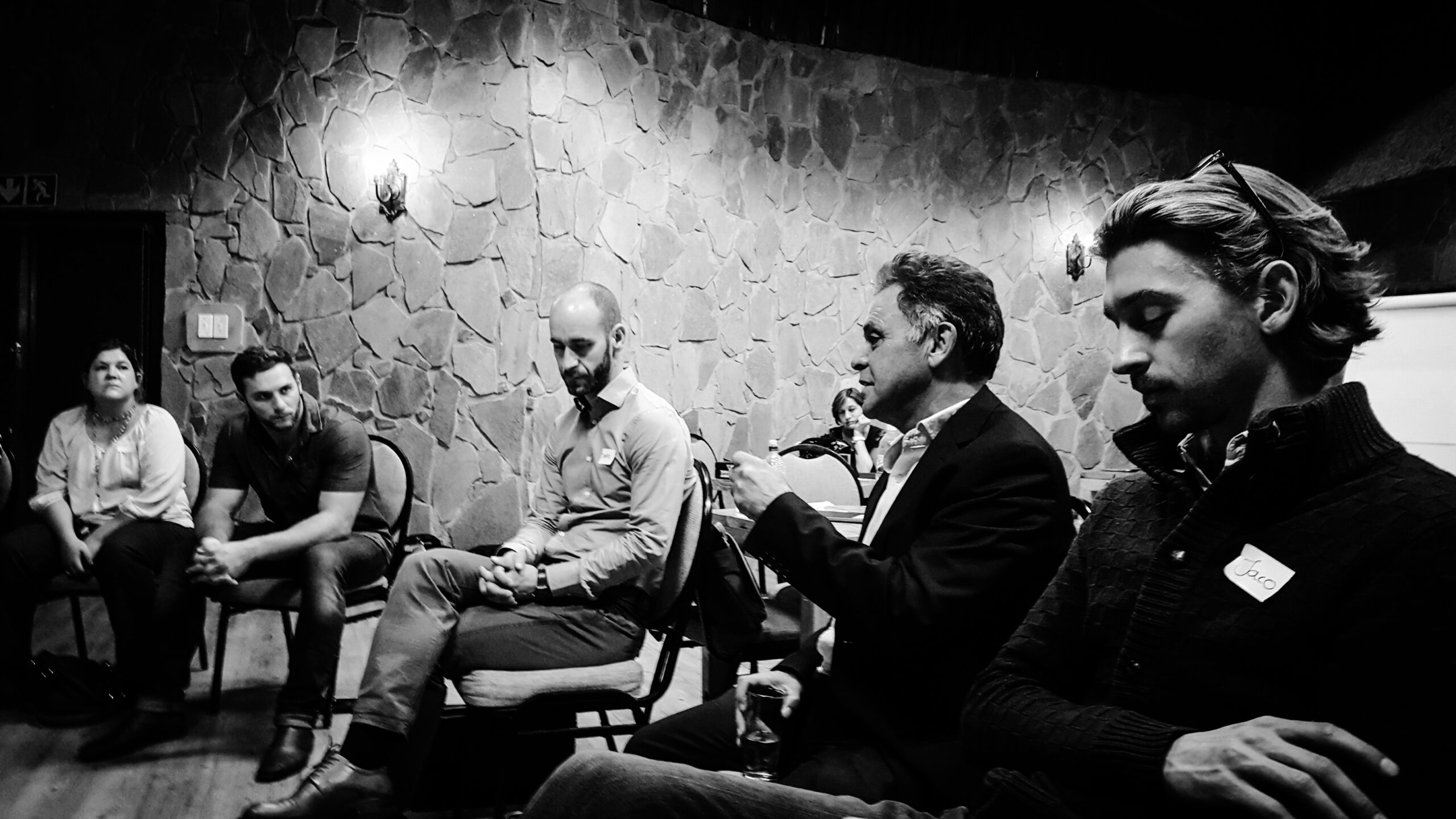
This was the space I was in when I received an invitation to attend the “Passing on the Baton Dialogue” with other South Africans. What attracted me more to this space was the opportunity to engage with leaders who were actively involved in the struggle and had intimate knowledge of the transition period. I reasoned that this would be the space to get the answers I sought. I expected an honest journey to the past. I was more than ready for the drive.

Was I that naïve to think that a few days with past leaders would provide adequate explanations to the unchanged economic realities and poor material conditions for the majority of South Africans? When asked what went wrong leaders of the transition have the tendency to become defensive and then wrap the conversation by saying that they did the best they could at the time.

These leaders often argue that they had 6 years to undo the harm done by more than 300 years of colonialism and apartheid. “We lived up to the expectations we had in our minds,” responded Roelf Meyer when probed about his role at the time. Honestly, I was not surprised when the leaders we had an opportunity to engage with gave us this standard response.

This familiar response seeks to absolve them of accountability for the decisions they made at the time. Decisions which are largely responsible for the continued tragedies that litter our streets. However, I must say that I did appreciate at one point the admission that the negotiation team should have applied its mind on transformation issues and create mechanisms to address this matter in the medium and long term.

On a personal level, there is one thing that stood out for me. It may not have been in bold but it was there either way. There was a time and those moments when I thought that in spite of the deep issues that separated us from each other as different races we were, however willing to embark on a journey to discover each other as human beings. When participants shared their personal experiences of racism and other frustrations I felt that there was that recognition that no South African should ever experience such injustice in 2016.

It was in the sharing of such experiences that I felt that we were connecting with each other. I believe that if this generation can connect at a personal level like our leaders did in the 1990s it can find its mission, fulfil it and not betray it. When leaders who negotiated the transition are asked how enemies made it to the negotiation table they often say that discovering each other’s humanity helped them. We began that journey at the Dialogue.

*This article appeared in the Sowetan and can be read there by clicking here.

**To learn more about this dialogue project please go to the project page by clicking here

***The views of this project blog do not necessarily represent the views of Democracy Works Foundation.

Related posts.

Partnership Between Democracy Works Foundation  and the Financial Services Volunteer Corps
Partnership Between Democracy Works Foundation and the Financial Services Volunteer Corps

We are excited to announce a new partnership between Democracy Works Foundation (DWF) and the Financial Services Volunteer Corps (FSVC)...

Policy Brief 42: Role of Legal Civil Society Organisations in Combatting Corruption

South Africa's legal profession – both public and private, certain law firms and some judiciary members have been key enablers...

No meaningful political progress without the inclusion of women

Democracy Works Foundation Botswana successfully launched its training and mentorship support for women in political participation under the Botswana Democracy...

DWF joins the global community in observing World Mental Health Day

Democracy Works Foundation joins the global community in observing World Mental Health Day. World Mental Health Day brings a great...

DWF-Eswatini co-hosts a high-level peer to peer learning exchange with the Electoral Commissions Forum of SADC Countries

Democracy Works Foundation-Eswatini (DWF-eSwatini), hosted a two-day Peer to Peer Learning Exchange in collaboration with the Electoral Commissions Forum of...

WhatsApp a powerful tool: virtual civil society oversight, capacity building

In March 2020, President Cyril Ramaphosa announced cabinet’s plans to put South Africa on lockdown as part of the government’s...

Social pacts more vital than ever as state lacks capacity

Social partners involved in SA’s social dialogue have not been diverse enough, and so decisions often do not have broad...

Building stronger bridges between provincial legislatures and CSOs: Reflections from a baseline study

A government that works for the people should necessarily work with the people. This is particularly true for the legislative...

Cross-provincial radio workshop report

Introduction The Civil Society Participation in Provincial Legislatures (CSPPL) project works to bridge gaps and facilitate partnerships between civil society...

DWF invites you to a Cool Politics Cafe

Please join us for a Cool Politics Cafe (dialogue discussion) on The politics of marginalisation: What are the policy shifts...

Frantz Fanon in his famous book, “The Wretched of the Earth” states that “each generation must, out of relative obscurity, discover its mission, fulfil it or betray it”.

Various political commentators agree that this is the kind of discovery that our generation can only make if we are fully informed of this country’s history in particular the fascinating or perhaps tragic story of the South African transition.  Like other South Africans who are making enquiries of this period I have been trying hard to understand why this celebrated miraculous transition fails to provide adequate answers to why poverty still has a black face, and why the nation’s wealth is still concentrated in the hands of the few and why black Africans who were disposed of their land are still landless. Did our leaders sell us out? Could they have chosen a different path? What is the true story of the transition?

This was the space I was in when I received an invitation to attend the “Passing on the Baton Dialogue” with other South Africans. What attracted me more to this space was the opportunity to engage with leaders who were actively involved in the struggle and had intimate knowledge of the transition period. I reasoned that this would be the space to get the answers I sought. I expected an honest journey to the past. I was more than ready for the drive.

Was I that naïve to think that a few days with past leaders would provide adequate explanations to the unchanged economic realities and poor material conditions for the majority of South Africans? When asked what went wrong leaders of the transition have the tendency to become defensive and then wrap the conversation by saying that they did the best they could at the time.

These leaders often argue that they had 6 years to undo the harm done by more than 300 years of colonialism and apartheid. “We lived up to the expectations we had in our minds,” responded Roelf Meyer when probed about his role at the time. Honestly, I was not surprised when the leaders we had an opportunity to engage with gave us this standard response.

This familiar response seeks to absolve them of accountability for the decisions they made at the time. Decisions which are largely responsible for the continued tragedies that litter our streets. However, I must say that I did appreciate at one point the admission that the negotiation team should have applied its mind on transformation issues and create mechanisms to address this matter in the medium and long term.

On a personal level, there is one thing that stood out for me. It may not have been in bold but it was there either way. There was a time and those moments when I thought that in spite of the deep issues that separated us from each other as different races we were, however willing to embark on a journey to discover each other as human beings. When participants shared their personal experiences of racism and other frustrations I felt that there was that recognition that no South African should ever experience such injustice in 2016.

It was in the sharing of such experiences that I felt that we were connecting with each other. I believe that if this generation can connect at a personal level like our leaders did in the 1990s it can find its mission, fulfil it and not betray it. When leaders who negotiated the transition are asked how enemies made it to the negotiation table they often say that discovering each other’s humanity helped them. We began that journey at the Dialogue.

*This article appeared in the Sowetan and can be read there by clicking here.

**To learn more about this dialogue project please go to the project page by clicking here

***The views of this project blog do not necessarily represent the views of Democracy Works Foundation.

Frantz Fanon in his famous book, “The Wretched of the Earth” states that “each generation must, out of relative obscurity, discover its mission, fulfil it or betray it”.

Various political commentators agree that this is the kind of discovery that our generation can only make if we are fully informed of this country’s history in particular the fascinating or perhaps tragic story of the South African transition.  Like other South Africans who are making enquiries of this period I have been trying hard to understand why this celebrated miraculous transition fails to provide adequate answers to why poverty still has a black face, and why the nation’s wealth is still concentrated in the hands of the few and why black Africans who were disposed of their land are still landless. Did our leaders sell us out? Could they have chosen a different path? What is the true story of the transition?

This was the space I was in when I received an invitation to attend the “Passing on the Baton Dialogue” with other South Africans. What attracted me more to this space was the opportunity to engage with leaders who were actively involved in the struggle and had intimate knowledge of the transition period. I reasoned that this would be the space to get the answers I sought. I expected an honest journey to the past. I was more than ready for the drive.

Was I that naïve to think that a few days with past leaders would provide adequate explanations to the unchanged economic realities and poor material conditions for the majority of South Africans? When asked what went wrong leaders of the transition have the tendency to become defensive and then wrap the conversation by saying that they did the best they could at the time.

These leaders often argue that they had 6 years to undo the harm done by more than 300 years of colonialism and apartheid. “We lived up to the expectations we had in our minds,” responded Roelf Meyer when probed about his role at the time. Honestly, I was not surprised when the leaders we had an opportunity to engage with gave us this standard response.

This familiar response seeks to absolve them of accountability for the decisions they made at the time. Decisions which are largely responsible for the continued tragedies that litter our streets. However, I must say that I did appreciate at one point the admission that the negotiation team should have applied its mind on transformation issues and create mechanisms to address this matter in the medium and long term.

On a personal level, there is one thing that stood out for me. It may not have been in bold but it was there either way. There was a time and those moments when I thought that in spite of the deep issues that separated us from each other as different races we were, however willing to embark on a journey to discover each other as human beings. When participants shared their personal experiences of racism and other frustrations I felt that there was that recognition that no South African should ever experience such injustice in 2016.

It was in the sharing of such experiences that I felt that we were connecting with each other. I believe that if this generation can connect at a personal level like our leaders did in the 1990s it can find its mission, fulfil it and not betray it. When leaders who negotiated the transition are asked how enemies made it to the negotiation table they often say that discovering each other’s humanity helped them. We began that journey at the Dialogue.

*This article appeared in the Sowetan and can be read there by clicking here.

**To learn more about this dialogue project please go to the project page by clicking here

***The views of this project blog do not necessarily represent the views of Democracy Works Foundation.