



Notice: Function _load_textdomain_just_in_time was called incorrectly. Translation loading for the wpso-sort-order domain was triggered too early. This is usually an indicator for some code in the plugin or theme running too early. Translations should be loaded at the init action or later. Please see Debugging in WordPress for more information. (This message was added in version 6.7.0.) in /home/democxmp/staging.democracyworks.org.za/wp-includes/functions.php on line 6131
» Civil Society’s Role in Upholding Democratic Principles and Governance
Close

THE CHARTER AFRICA PROJECT MULTI-STAKEHOLDER DIALOGUE IN BOTSWANA

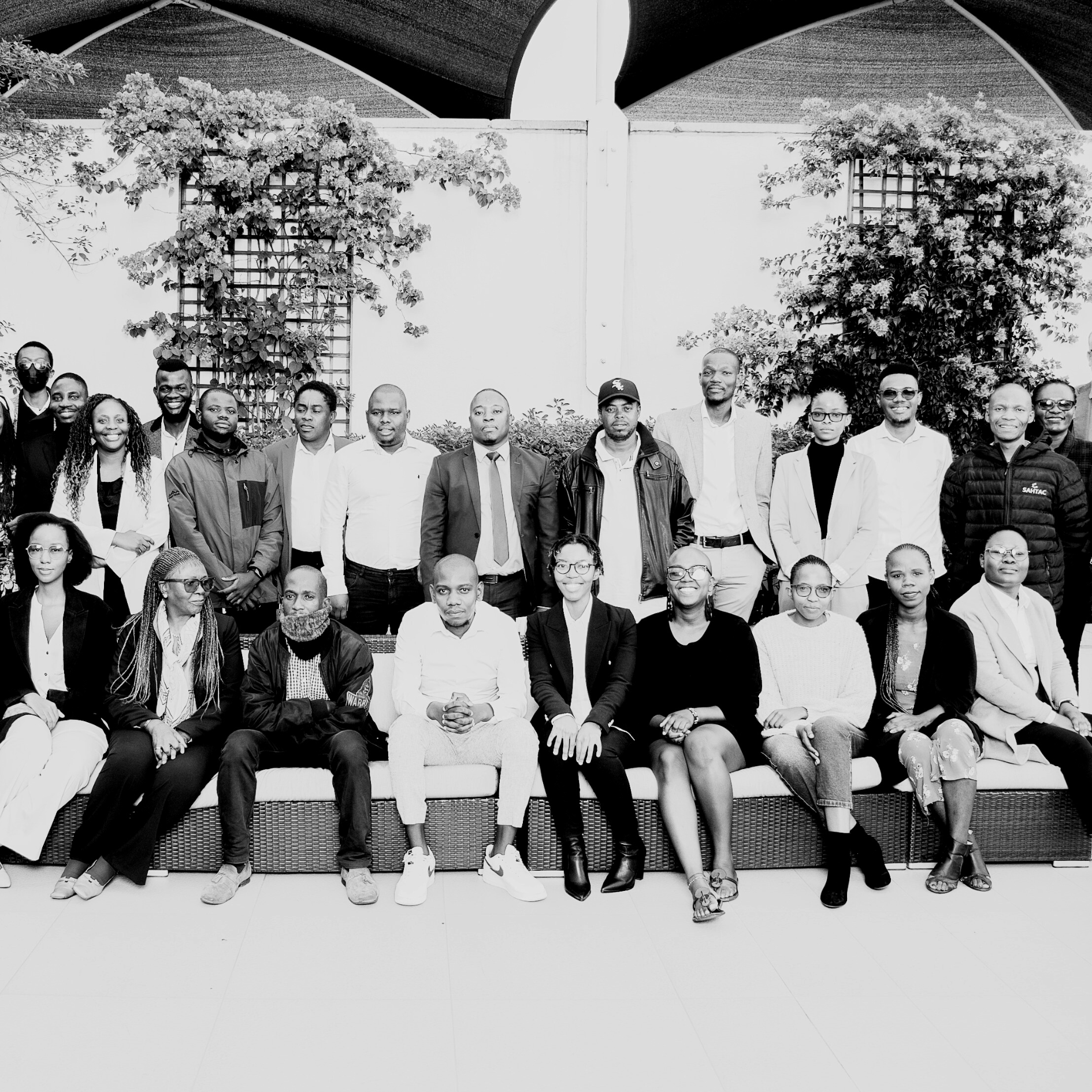
DWF and Charter Africa Project held a multi-stakeholder national dialogue in Botswana to explore how civil society can support the implementation of the African Charter on Democracy, Elections, and Governance (ACDEG) and how to use technology to amplify citizen voices in a democracy.

The dialogue brought together representatives from various sectors sharing their perspectives and highlighting the crucial role that civil society can play in upholding democratic principles and human rights in Botswana. “The principles of democracy, good governance, and human rights are essential for the well-being and development of any society. Civil society has a crucial role in ensuring these principles are upheld. Corruption, lack of transparency and accountability is eroding our democracy. Therefore civil society, the judiciary, and media must remain free, non-partisan – focusing only on the people’s issues.” Justice Oagile Bethuel Key Dingake, former Judge of the High Court of Botswana.

On the first day of the dialogue, in a closed session, Motheo o Mosha and the Clicking Generation, the two civil society organisations implementing the Charter Project Africa’s Democratic Governance Initiatives, discussed the challenges they faced and some opportunities present for civil society in Botswana. “Some challenges we have identified include limited funding, access to a broader network and knowledge sources, and a need for more trust between civil society and the government.” Agang K. Ditlhogo, Co-Founder of The Clicking Generation. Participants recognised that civil society organisations could have a more significant impact by working together and building partnerships with other stakeholders, including government, the private sector, and regional organisations.

Introducing the African Charter on Democracy, Elections and Governance, and the Virtual Evidence Platform, an open-source resource to aid in the strengthening of the implementation of the ACDEG, Andrew Songa, Civil Society Secretariat Coordinator European Partnership for Democracy, added: ” The Charter is one of the ways we can monitor the state’s compliance with the ACDEG and see how we can boost the advocacy efforts towards getting all states to ratify the African charter so that we have universal ratification.”

One of the key takeaways from the dialogue was the importance of accountability, remaining non-partisan, and not letting funders dictate the issues CSOs need to advocate for in their constituencies.
The participant’s commitment to working together towards upholding democratic principles and human rights in Botswana was impressive. This commitment must be sustained and translated into action. Civil society organisations should continue to engage with the government, advocate for policy reforms, and provide services to marginalised communities.

We look forward to the next multi-stakeholder national dialogue in Zambia, Lusaka, on 29 and 30 June 2023.

About the Charter Project Africa

The Charter Project Africa is a pan-African project that focuses on the commitments contained in the African Charter on Democracy, Elections and Governance (ACDEG) – the African Union’s principal policy document for advancing democratic governance in African Union member states. The project promotes using civic technology to amplify citizens’ voices in African Union member states; Botswana Benin, Cabo Verde, Ethiopia, Kenya, Nigeria, Senegal, South Africa, Sudan, Tanzania, and Zambia – as well as at regional and continental level. DWF is implementing the Charter Project Africa in Southern Africa, targeting Botswana, South Africa, Tanzania and Zambia. The consortium comprises AfricTivistes, Code for Africa (CfA), Gorée Institute, European Centre for Development Policy Management (ECDPM) and European Partnership

Related posts.

2ND CHARTER  MULTI-STAKEHOLDER NATIONAL DIALOGUE SET FOR ZAMBIA
2ND CHARTER MULTI-STAKEHOLDER NATIONAL DIALOGUE SET FOR ZAMBIA

Following the successful inaugural Charter Project Africa Multi-Stakeholder National Dialogue held in Botswana in May, Democracy Works Foundation (DWF) is...

DWF Angola presents the CAB4CLE project at the provincial level

The CAB4CLE Provincial Presentation Workshop occurred in Huambo, Angola, on 23 May. All relevant stakeholders participated, including the Governor's representative,...

THE CLIMATE CHANGE CHAMPIONS WORKSHOP ON BUILDING PARTNERSHIPS AND CLIMATE CHANGE ACTION

The Democracy Works Foundation (DWF) team is pleased to announce hosting the Climate Change Champions Workshop on "Building Partnerships for...

Multi-stakeholder dialogues on consolidating good governance and democracy using civic tech

Democracy Works Foundation (DWF), through the Charter Project Africa, is set to host multi-stakeholder national dialogues in four countries within...

DWF Climate Change Champions Theatre Play

Kimberley-based #DWF Climate Change Champions, Mpumelelo Youth Group, developed this theatre play as an avenue for communities to co-create climate...

POLITICAL PARTIES IN ZAMBIA PLAN FOR SUCCESS – A FIVE YEAR OUTLOOK

Political parties have historically been considered imperfect candidates for strategic planning because of the complexity of designing and implementing in...

Call for Expressions of Interest: Democratic Governance in SADC Region

GUIDELINES Democratic Governance in Southern Africa (SADC Region) Civic technology and the African Governance Architecture Overview These guidelines provide an...

Introducing the CSO Capacity Building For Credible Local Elections (CAB4CLE) Angola

About CAB4CLE DWF is implementing the CSO Capacity Building for Credible Local Elections, known as the CAB4CLE project, in Angola...

LEARNING FROM THE PAST TO INFORM THE FUTURE: POST ELECTIONS REFLECTION WORKSHOP

BACKGROUND Sustainable democracy is inconceivable without political parties. Multiparty democracy depends on the existence of well-functioning political parties, a conducive...

Social and Environment Change knowledge co-creation with CoGTA

KNOWLEDGE CO-CREATION WORKSHOP with the Department of Cooperative Governance and Traditional Affairs on SOCIAL AND ENVIRONMENT CHANGE IN ADDRESSING CLIMATE...

THE CHARTER AFRICA PROJECT MULTI-STAKEHOLDER DIALOGUE IN BOTSWANA

DWF and Charter Africa Project held a multi-stakeholder national dialogue in Botswana to explore how civil society can support the implementation of the African Charter on Democracy, Elections, and Governance (ACDEG) and how to use technology to amplify citizen voices in a democracy.

The dialogue brought together representatives from various sectors sharing their perspectives and highlighting the crucial role that civil society can play in upholding democratic principles and human rights in Botswana. “The principles of democracy, good governance, and human rights are essential for the well-being and development of any society. Civil society has a crucial role in ensuring these principles are upheld. Corruption, lack of transparency and accountability is eroding our democracy. Therefore civil society, the judiciary, and media must remain free, non-partisan – focusing only on the people’s issues.” Justice Oagile Bethuel Key Dingake, former Judge of the High Court of Botswana.

On the first day of the dialogue, in a closed session, Motheo o Mosha and the Clicking Generation, the two civil society organisations implementing the Charter Project Africa’s Democratic Governance Initiatives, discussed the challenges they faced and some opportunities present for civil society in Botswana. “Some challenges we have identified include limited funding, access to a broader network and knowledge sources, and a need for more trust between civil society and the government.” Agang K. Ditlhogo, Co-Founder of The Clicking Generation. Participants recognised that civil society organisations could have a more significant impact by working together and building partnerships with other stakeholders, including government, the private sector, and regional organisations.

Introducing the African Charter on Democracy, Elections and Governance, and the Virtual Evidence Platform, an open-source resource to aid in the strengthening of the implementation of the ACDEG, Andrew Songa, Civil Society Secretariat Coordinator European Partnership for Democracy, added: ” The Charter is one of the ways we can monitor the state’s compliance with the ACDEG and see how we can boost the advocacy efforts towards getting all states to ratify the African charter so that we have universal ratification.”

One of the key takeaways from the dialogue was the importance of accountability, remaining non-partisan, and not letting funders dictate the issues CSOs need to advocate for in their constituencies.
The participant’s commitment to working together towards upholding democratic principles and human rights in Botswana was impressive. This commitment must be sustained and translated into action. Civil society organisations should continue to engage with the government, advocate for policy reforms, and provide services to marginalised communities.

We look forward to the next multi-stakeholder national dialogue in Zambia, Lusaka, on 29 and 30 June 2023.

About the Charter Project Africa

The Charter Project Africa is a pan-African project that focuses on the commitments contained in the African Charter on Democracy, Elections and Governance (ACDEG) – the African Union’s principal policy document for advancing democratic governance in African Union member states. The project promotes using civic technology to amplify citizens’ voices in African Union member states; Botswana Benin, Cabo Verde, Ethiopia, Kenya, Nigeria, Senegal, South Africa, Sudan, Tanzania, and Zambia – as well as at regional and continental level. DWF is implementing the Charter Project Africa in Southern Africa, targeting Botswana, South Africa, Tanzania and Zambia. The consortium comprises AfricTivistes, Code for Africa (CfA), Gorée Institute, European Centre for Development Policy Management (ECDPM) and European Partnership

THE CHARTER AFRICA PROJECT MULTI-STAKEHOLDER DIALOGUE IN BOTSWANA

DWF and Charter Africa Project held a multi-stakeholder national dialogue in Botswana to explore how civil society can support the implementation of the African Charter on Democracy, Elections, and Governance (ACDEG) and how to use technology to amplify citizen voices in a democracy.

The dialogue brought together representatives from various sectors sharing their perspectives and highlighting the crucial role that civil society can play in upholding democratic principles and human rights in Botswana. “The principles of democracy, good governance, and human rights are essential for the well-being and development of any society. Civil society has a crucial role in ensuring these principles are upheld. Corruption, lack of transparency and accountability is eroding our democracy. Therefore civil society, the judiciary, and media must remain free, non-partisan – focusing only on the people’s issues.” Justice Oagile Bethuel Key Dingake, former Judge of the High Court of Botswana.

On the first day of the dialogue, in a closed session, Motheo o Mosha and the Clicking Generation, the two civil society organisations implementing the Charter Project Africa’s Democratic Governance Initiatives, discussed the challenges they faced and some opportunities present for civil society in Botswana. “Some challenges we have identified include limited funding, access to a broader network and knowledge sources, and a need for more trust between civil society and the government.” Agang K. Ditlhogo, Co-Founder of The Clicking Generation. Participants recognised that civil society organisations could have a more significant impact by working together and building partnerships with other stakeholders, including government, the private sector, and regional organisations.

Introducing the African Charter on Democracy, Elections and Governance, and the Virtual Evidence Platform, an open-source resource to aid in the strengthening of the implementation of the ACDEG, Andrew Songa, Civil Society Secretariat Coordinator European Partnership for Democracy, added: ” The Charter is one of the ways we can monitor the state’s compliance with the ACDEG and see how we can boost the advocacy efforts towards getting all states to ratify the African charter so that we have universal ratification.”

One of the key takeaways from the dialogue was the importance of accountability, remaining non-partisan, and not letting funders dictate the issues CSOs need to advocate for in their constituencies.
The participant’s commitment to working together towards upholding democratic principles and human rights in Botswana was impressive. This commitment must be sustained and translated into action. Civil society organisations should continue to engage with the government, advocate for policy reforms, and provide services to marginalised communities.

We look forward to the next multi-stakeholder national dialogue in Zambia, Lusaka, on 29 and 30 June 2023.

About the Charter Project Africa

The Charter Project Africa is a pan-African project that focuses on the commitments contained in the African Charter on Democracy, Elections and Governance (ACDEG) – the African Union’s principal policy document for advancing democratic governance in African Union member states. The project promotes using civic technology to amplify citizens’ voices in African Union member states; Botswana Benin, Cabo Verde, Ethiopia, Kenya, Nigeria, Senegal, South Africa, Sudan, Tanzania, and Zambia – as well as at regional and continental level. DWF is implementing the Charter Project Africa in Southern Africa, targeting Botswana, South Africa, Tanzania and Zambia. The consortium comprises AfricTivistes, Code for Africa (CfA), Gorée Institute, European Centre for Development Policy Management (ECDPM) and European Partnership