



Notice: Function _load_textdomain_just_in_time was called incorrectly. Translation loading for the wpso-sort-order domain was triggered too early. This is usually an indicator for some code in the plugin or theme running too early. Translations should be loaded at the init action or later. Please see Debugging in WordPress for more information. (This message was added in version 6.7.0.) in /home/democxmp/staging.democracyworks.org.za/wp-includes/functions.php on line 6131
» A vision of hope – the power of international solidarity
Close

Hanne Løvlie, an extraordinary, energetic young Norwegian woman with an implacable sense of social justice, had a dream to improve the lives of women in KwaZulu­Natal, where she’d spent much of time during her studies.

Unfortunately, Løvlie couldn’t see her dream realised this weekend, when a women’s shelter was launched in her name. Løvlie was one of 77 innocent people murdered by Anders Behring Breivik on July 22 2011 in the worst violence witnessed in Norway since World War 2.

Løvlie’s values and sense of community are undoubtedly the result of her upbringing by her formidable family .

Her brother Jorgen Løvlie said the family received compensation and approached the Norwegian charity Impande, headed by Rolf Olsen, to help them identify a good project.

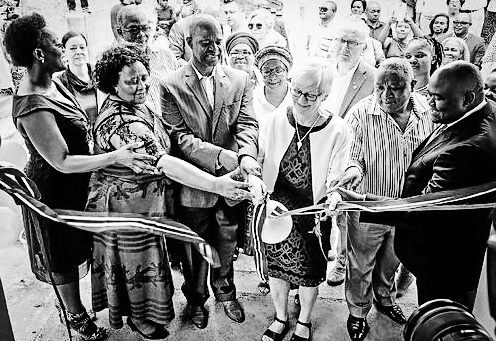
The result of their collaboration was the launch of Hanne’s Shelter for vulnerable women in Gcilima, a village in KwaZulu­Natal. The shelter can accommodate up to 27 women and will provide support and counselling for victims, giving women a chance to get their lives back on track.

The project was kick­started with the advice and help of Olsen and Lawrence Wintermeyer of Impande, Chief Xolo and the Network Action Group, a community ­based organisation in the Ugu District. Hanne’s Shelter will be run by Siyamthanda, a non­profit organisation.

The project is endorsed by the Royal Norwegian Embassy and supported by the Department of Social Development. The shelter building was donated by the Madikiza family, who will also run an outreach programme with the team.

The Madikizas, like the Løvlies, have been affected by violence. The site ­ their family home ­ was attacked during political violence in the 1990s. Both families felt compelled to create something positive and enduring.

At the launch of the shelter, a large Norwegian delegation comprising the Løvlies’ friends and family was present. Amid the several substantial donations pledged, writer Åsne Seierstad donated the entire proceeds of her book One of Us: The Story of Anders Breivik and the Massacre in Norway.

Liv Tørres, executive director of the Nobel Peace Centre, said : “Hanne’s Shelter reflects a long­shared history between Norway and South Africa”.

In addition to Norwegian support during the struggle against apartheid and with development projects in South Africa, there are several generations of Norwegian South Africans harking back to migrants who arrived in Port Shepstone in the 19th century.

This spirit of collaboration between the Norwegians and South Africans demonstrates Olsen’s belief that connecting people is key to social upliftment.

He convinced the Løvlies to come to KwaZulu­Natal when they first decided to work with Impande.

Chief Xolo promised the Løvlies he would allow the project, highlighting the facts that the community needed to tackle the roots of the social problems, such as unemployment and substance abuse, that lead to violence against women.

*This article was published by Times Live and can be viewed on their website by clicking here. 

Related posts.

Partnership Between Democracy Works Foundation  and the Financial Services Volunteer Corps
Partnership Between Democracy Works Foundation and the Financial Services Volunteer Corps

We are excited to announce a new partnership between Democracy Works Foundation (DWF) and the Financial Services Volunteer Corps (FSVC)...

Policy Brief 42: Role of Legal Civil Society Organisations in Combatting Corruption

South Africa's legal profession – both public and private, certain law firms and some judiciary members have been key enablers...

No meaningful political progress without the inclusion of women

Democracy Works Foundation Botswana successfully launched its training and mentorship support for women in political participation under the Botswana Democracy...

DWF joins the global community in observing World Mental Health Day

Democracy Works Foundation joins the global community in observing World Mental Health Day. World Mental Health Day brings a great...

DWF-Eswatini co-hosts a high-level peer to peer learning exchange with the Electoral Commissions Forum of SADC Countries

Democracy Works Foundation-Eswatini (DWF-eSwatini), hosted a two-day Peer to Peer Learning Exchange in collaboration with the Electoral Commissions Forum of...

WhatsApp a powerful tool: virtual civil society oversight, capacity building

In March 2020, President Cyril Ramaphosa announced cabinet’s plans to put South Africa on lockdown as part of the government’s...

Social pacts more vital than ever as state lacks capacity

Social partners involved in SA’s social dialogue have not been diverse enough, and so decisions often do not have broad...

Building stronger bridges between provincial legislatures and CSOs: Reflections from a baseline study

A government that works for the people should necessarily work with the people. This is particularly true for the legislative...

Cross-provincial radio workshop report

Introduction The Civil Society Participation in Provincial Legislatures (CSPPL) project works to bridge gaps and facilitate partnerships between civil society...

DWF invites you to a Cool Politics Cafe

Please join us for a Cool Politics Cafe (dialogue discussion) on The politics of marginalisation: What are the policy shifts...

Hanne Løvlie, an extraordinary, energetic young Norwegian woman with an implacable sense of social justice, had a dream to improve the lives of women in KwaZulu­Natal, where she’d spent much of time during her studies.

Unfortunately, Løvlie couldn’t see her dream realised this weekend, when a women’s shelter was launched in her name. Løvlie was one of 77 innocent people murdered by Anders Behring Breivik on July 22 2011 in the worst violence witnessed in Norway since World War 2.

Løvlie’s values and sense of community are undoubtedly the result of her upbringing by her formidable family .

Her brother Jorgen Løvlie said the family received compensation and approached the Norwegian charity Impande, headed by Rolf Olsen, to help them identify a good project.

The result of their collaboration was the launch of Hanne’s Shelter for vulnerable women in Gcilima, a village in KwaZulu­Natal. The shelter can accommodate up to 27 women and will provide support and counselling for victims, giving women a chance to get their lives back on track.

The project was kick­started with the advice and help of Olsen and Lawrence Wintermeyer of Impande, Chief Xolo and the Network Action Group, a community ­based organisation in the Ugu District. Hanne’s Shelter will be run by Siyamthanda, a non­profit organisation.

The project is endorsed by the Royal Norwegian Embassy and supported by the Department of Social Development. The shelter building was donated by the Madikiza family, who will also run an outreach programme with the team.

The Madikizas, like the Løvlies, have been affected by violence. The site ­ their family home ­ was attacked during political violence in the 1990s. Both families felt compelled to create something positive and enduring.

At the launch of the shelter, a large Norwegian delegation comprising the Løvlies’ friends and family was present. Amid the several substantial donations pledged, writer Åsne Seierstad donated the entire proceeds of her book One of Us: The Story of Anders Breivik and the Massacre in Norway.

Liv Tørres, executive director of the Nobel Peace Centre, said : “Hanne’s Shelter reflects a long­shared history between Norway and South Africa”.

In addition to Norwegian support during the struggle against apartheid and with development projects in South Africa, there are several generations of Norwegian South Africans harking back to migrants who arrived in Port Shepstone in the 19th century.

This spirit of collaboration between the Norwegians and South Africans demonstrates Olsen’s belief that connecting people is key to social upliftment.

He convinced the Løvlies to come to KwaZulu­Natal when they first decided to work with Impande.

Chief Xolo promised the Løvlies he would allow the project, highlighting the facts that the community needed to tackle the roots of the social problems, such as unemployment and substance abuse, that lead to violence against women.

*This article was published by Times Live and can be viewed on their website by clicking here. 

Hanne Løvlie, an extraordinary, energetic young Norwegian woman with an implacable sense of social justice, had a dream to improve the lives of women in KwaZulu­Natal, where she’d spent much of time during her studies.

Unfortunately, Løvlie couldn’t see her dream realised this weekend, when a women’s shelter was launched in her name. Løvlie was one of 77 innocent people murdered by Anders Behring Breivik on July 22 2011 in the worst violence witnessed in Norway since World War 2.

Løvlie’s values and sense of community are undoubtedly the result of her upbringing by her formidable family .

Her brother Jorgen Løvlie said the family received compensation and approached the Norwegian charity Impande, headed by Rolf Olsen, to help them identify a good project.

The result of their collaboration was the launch of Hanne’s Shelter for vulnerable women in Gcilima, a village in KwaZulu­Natal. The shelter can accommodate up to 27 women and will provide support and counselling for victims, giving women a chance to get their lives back on track.

The project was kick­started with the advice and help of Olsen and Lawrence Wintermeyer of Impande, Chief Xolo and the Network Action Group, a community ­based organisation in the Ugu District. Hanne’s Shelter will be run by Siyamthanda, a non­profit organisation.

The project is endorsed by the Royal Norwegian Embassy and supported by the Department of Social Development. The shelter building was donated by the Madikiza family, who will also run an outreach programme with the team.

The Madikizas, like the Løvlies, have been affected by violence. The site ­ their family home ­ was attacked during political violence in the 1990s. Both families felt compelled to create something positive and enduring.

At the launch of the shelter, a large Norwegian delegation comprising the Løvlies’ friends and family was present. Amid the several substantial donations pledged, writer Åsne Seierstad donated the entire proceeds of her book One of Us: The Story of Anders Breivik and the Massacre in Norway.

Liv Tørres, executive director of the Nobel Peace Centre, said : “Hanne’s Shelter reflects a long­shared history between Norway and South Africa”.

In addition to Norwegian support during the struggle against apartheid and with development projects in South Africa, there are several generations of Norwegian South Africans harking back to migrants who arrived in Port Shepstone in the 19th century.

This spirit of collaboration between the Norwegians and South Africans demonstrates Olsen’s belief that connecting people is key to social upliftment.

He convinced the Løvlies to come to KwaZulu­Natal when they first decided to work with Impande.

Chief Xolo promised the Løvlies he would allow the project, highlighting the facts that the community needed to tackle the roots of the social problems, such as unemployment and substance abuse, that lead to violence against women.

*This article was published by Times Live and can be viewed on their website by clicking here.